Why Opusonix
Why Opusonix

Yes—sending files, notes, and versions is mostly solved.
The modern music production stack works. You can send audio files, share folders, trade messages, and jump on calls without much friction. For many projects, that’s “good enough.” Most engineers and producers have learned to make it work—often by stitching together a mix of tools and personal habits.
The problem isn’t access to files. It’s what happens after the files are shared.
But the collaboration problems haven’t gone away
Collaboration in music production still breaks down in predictable ways:
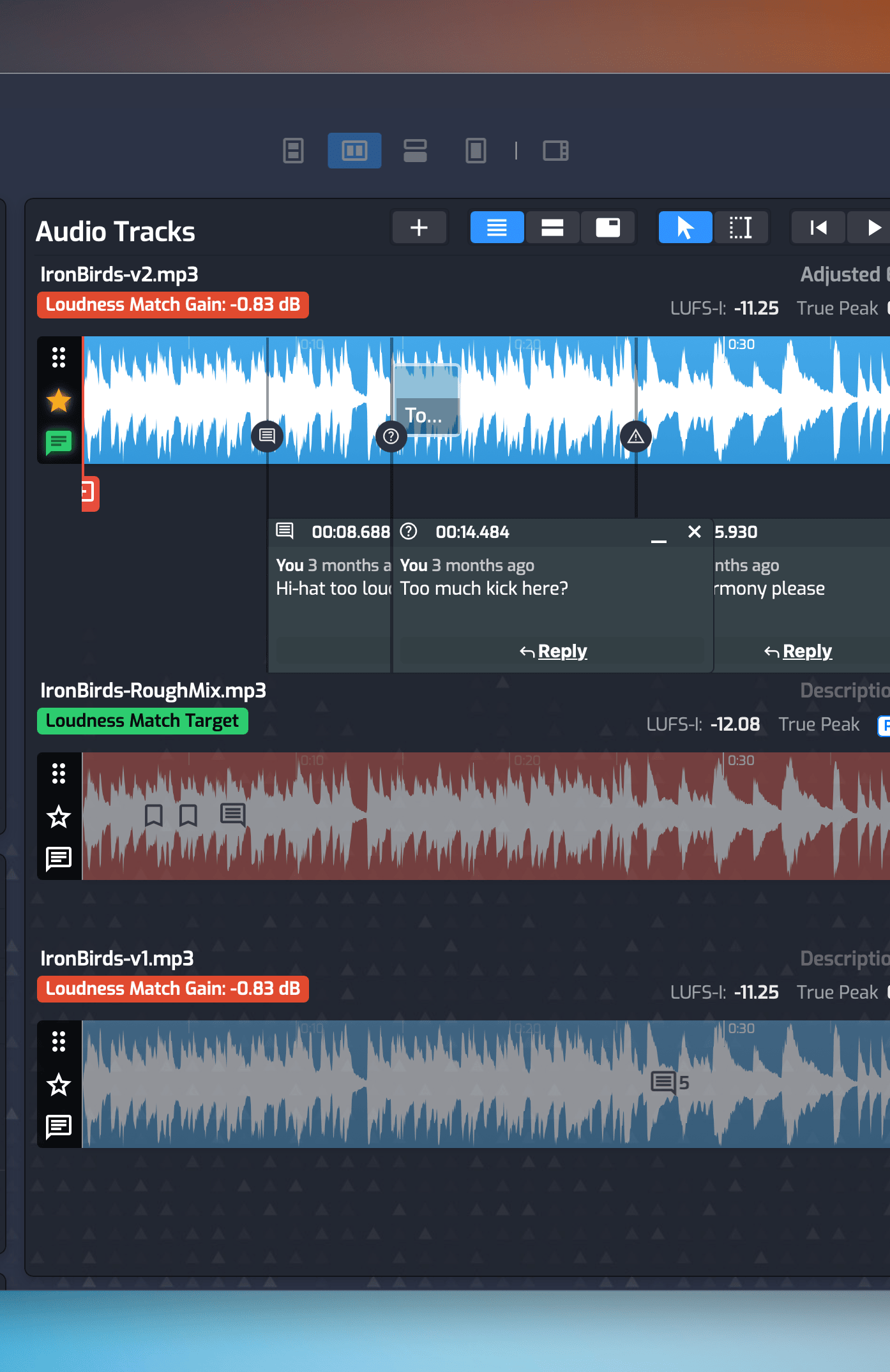
Feedback arrives without context or clear intent
Notes get scattered across messages, emails, and documents
Version history becomes confusing or incomplete
Decisions get revisited because sign-offs weren’t explicit
Engineers end up managing communication instead of focusing on sound
None of these issues are technical limitations—they’re workflow gaps. Over time, they cost hours, increase revision cycles, and add unnecessary mental load to every project.
The Hidden Bottleneck Limiting Your Music Project Capacity
Did you know you could take on more music projects — without working longer hours — if one hidden bottleneck wasn’t slowing you down?
For most engineers and composers, the real constraint isn’t skill or demand. It’s fragmented collaboration: scattered feedback, unclear revision states, version confusion, and constant context switching. That invisible friction quietly limits your capacity long before you notice burnout. Opusonix removes that bottleneck by bringing structure to music project collaboration — so you can scale your workload with clarity instead of chaos. Read More
The Opusonix workflow
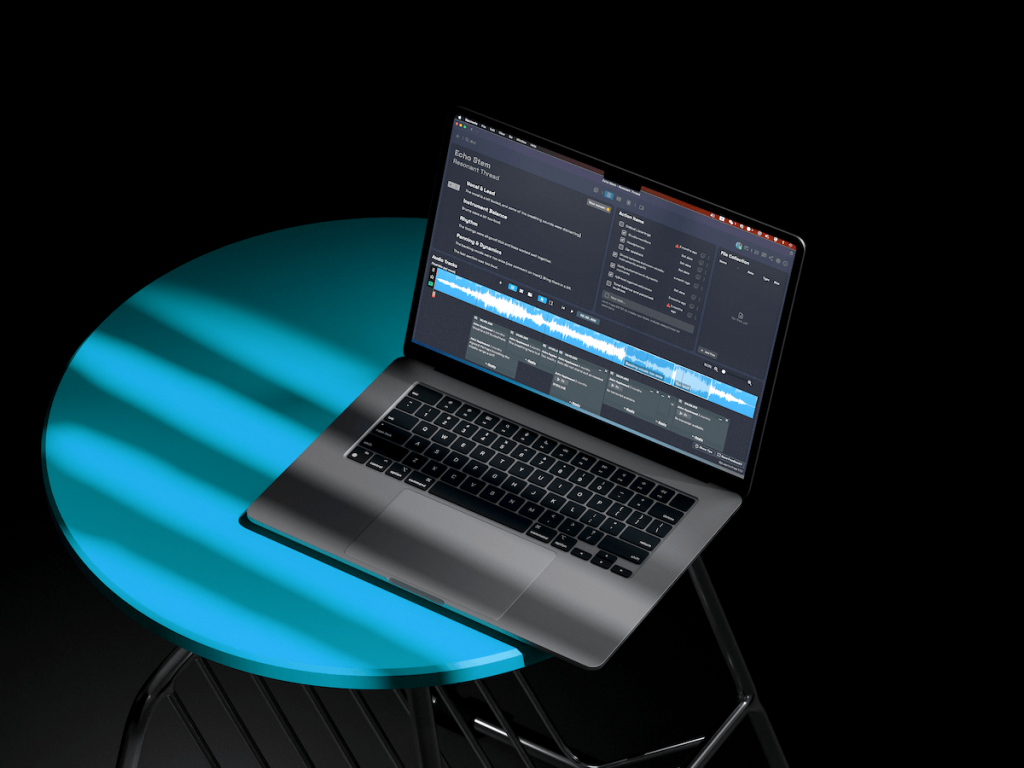
For years, collaboration has “worked” because engineers adapted—developing personal systems, workarounds, and habits to compensate for fragmented tools. Opusonix removes that friction at the system level, so the workflow supports you instead of relying on you to hold it together.
Centralized by design
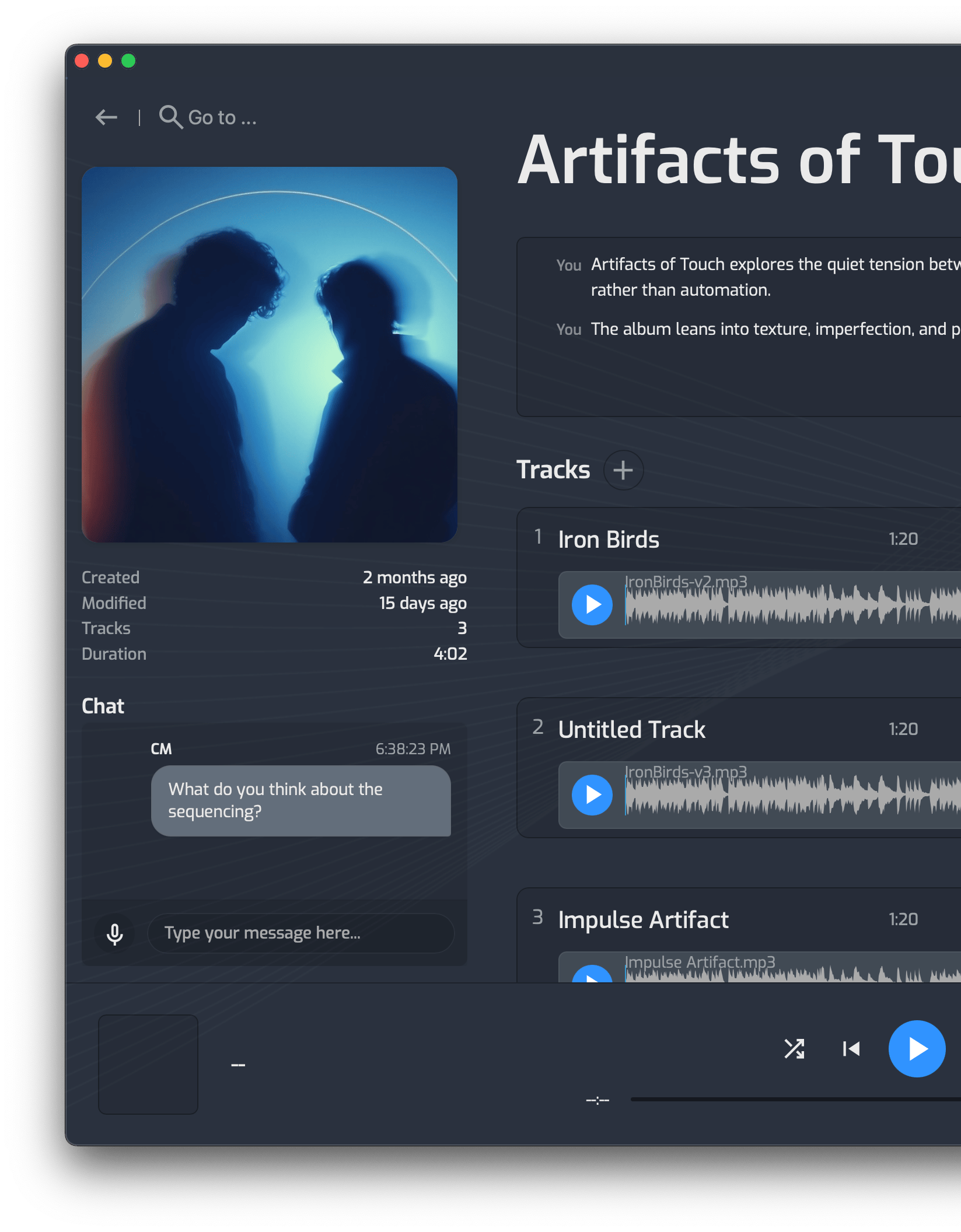
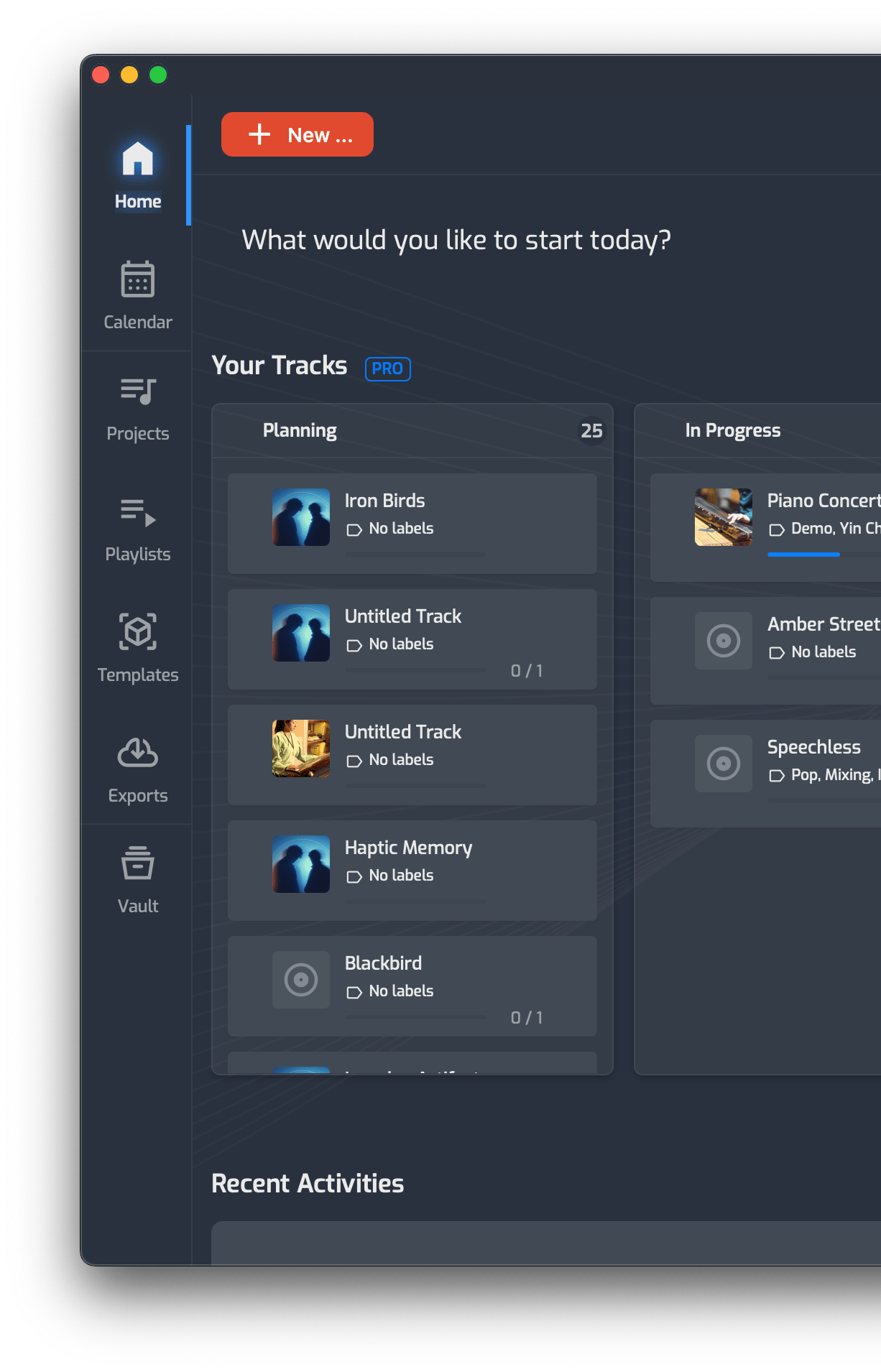
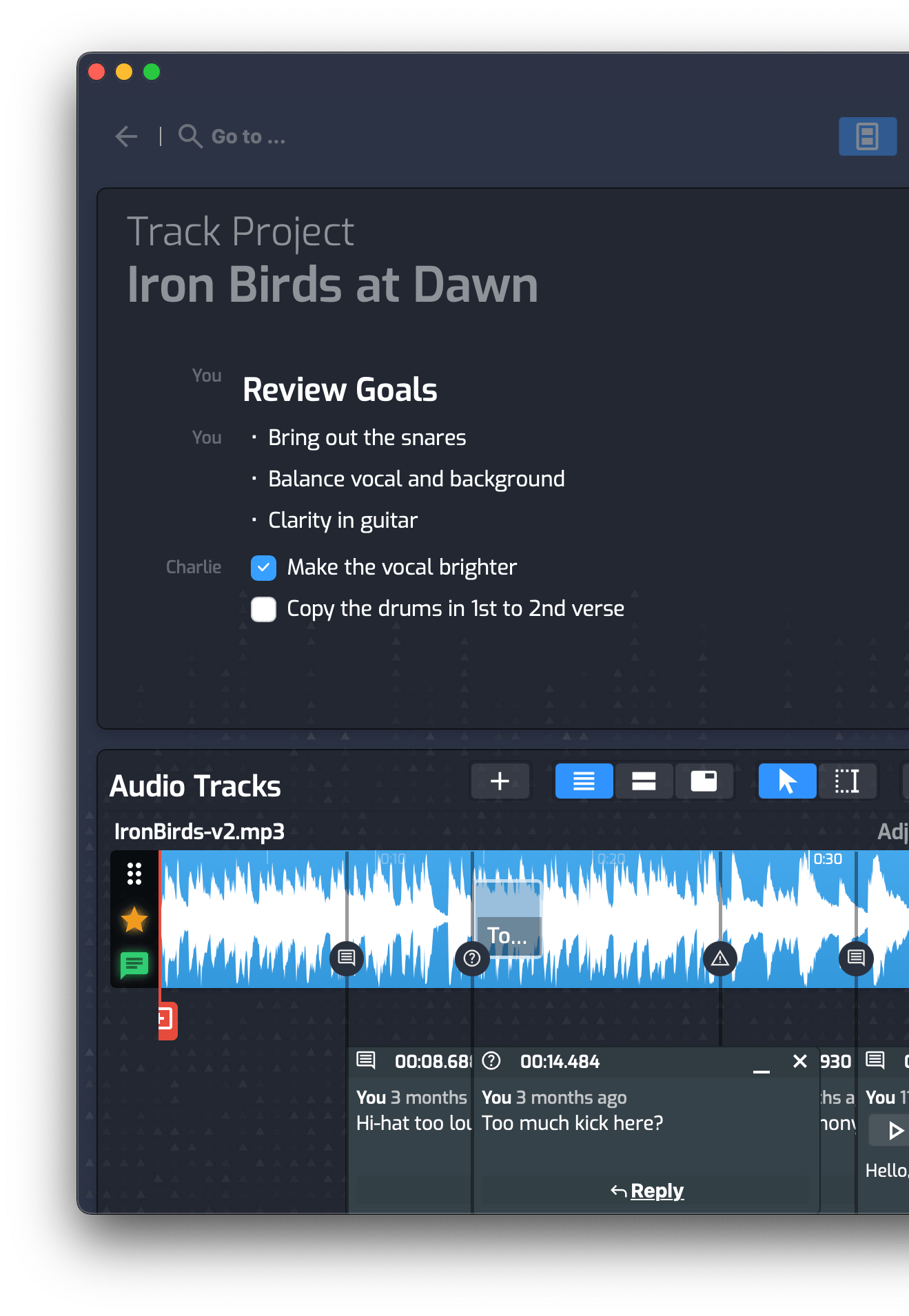
Audio, feedback, versions, and communication live in one dedicated workspace. Instead of engineers stitching together folders, messages, and notes through habit and memory, the system itself maintains continuity.
System-level efficiency
Progress no longer depends on individual discipline to track versions or interpret scattered feedback. Reviews are faster, revisions are clearer, and fewer cycles are spent correcting preventable misunderstandings.
Reduced cognitive load
When the system handles structure, engineers don’t have to. Opusonix eliminates the background mental effort of managing tools, reconstructing context, or policing process—freeing attention for creative and technical decisions.
Professionally coherent
Clients interact with a clear, intentional review environment rather than an ad-hoc collection of links and platforms. This consistency communicates competence, builds trust, and positions the engineer as someone running a professional operation—not just delivering files.
Who Opusonix is for
Opusonix is built for people who care about finishing projects cleanly:
-
Freelance mixing and mastering engineers
-
Producers working with artists, labels, or remote collaborators
-
Small teams managing multiple active projects
-
Professionals who want fewer revisions, clearer feedback, and better client trust
If your projects involve real collaboration—not just file delivery—Opusonix is designed for you.
Try Opusonix today